Chalk, Scum and Smooth Skin: Making Lather Work in Britain's Hard Water
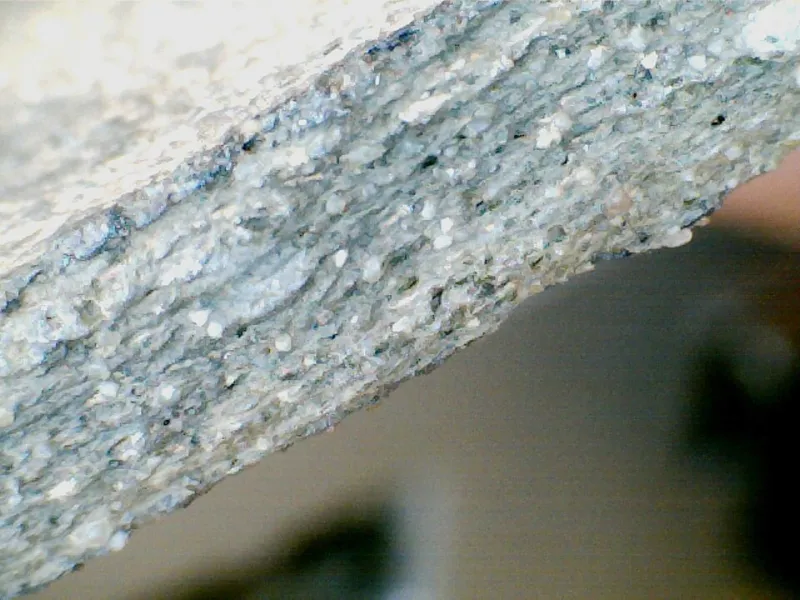
Photo: All rights reserved, Zara, 2011-08-16 16:52:00, CC BY-SA 2.0, via Wikimedia Commons
Fill a kettle in London, Cambridge or much of the East of England and you can often see the problem before you even shave: a pale crust around the element, a cloudy film on the tap, and a suspicion that your shaving cream is not lathering the way it does in the adverts. Hard water is not a niche grooming problem in the UK. It is a everyday bathroom reality for a large chunk of the country.
The good news is that hard water does not have to mean bad shaves. It does mean understanding what is happening in the bowl, adjusting your technique, and being sceptical about anything sold as a miracle cure.
The kettle is telling you something
Water hardness is mostly about dissolved calcium and magnesium. In simple terms, the more of these minerals in the water, the harder it is. Soft water lathers easily. Hard water fights back. It reacts with the surfactants in soap and shaving cream to form scum — that dull, slippery film you sometimes see in the sink — and that means less lather and more residue on the skin and razor.
UK hardness varies a lot. Areas supplied by chalk and limestone aquifers — parts of London and the Home Counties, East Anglia, the Midlands and Yorkshire — tend to be harder. Much of Scotland, Wales and the South West has softer water. But supply zones can change, and a postcode is not a guarantee. If your kettle scales quickly, your taps spot easily and your soap feels sluggish, you have your answer.
What hard water does to lather
Hard water does not stop you making lather. It makes lather harder to build and less stable. You may need more product, more time and more water than someone in a soft-water area. The lather can look thin or collapse halfway through a pass, and the skin can feel squeaky rather than conditioned afterwards.
The residue is the other issue. Soap scum can cling to the razor, dulling the cutting feel and leaving a film on the blade. It can also sit on the skin, which is not ideal if you are prone to dryness or irritation. Rinsing thoroughly matters more in hard water, not less.
Chelating agents, briefly and without a chemistry A-level
Chelating ingredients grab hold of metal ions in water and stop them interfering with the soap. You will see them on labels as EDTA, sodium phytate, sodium gluconate, citric acid and similar. They are not exotic. They are common in skincare, shampoo and shaving products precisely because hard water is common.
A shaving cream or soap with a chelating agent can lather more reliably in hard water. It is not magic, and it will not turn Thames Valley tap water into Highland spring water, but it can make the bowl behave more predictably. If you are buying a dedicated hard-water product, look for these ingredients rather than taking the front label at face value.
Brush technique for stubborn water
Technique can close a lot of the gap. Start with more product than you think you need, especially with hard soaps. Load the brush until the tips are properly pasted, then add water gradually. Hard water often needs a wetter brush and a little more patience.
Use warm water rather than hot. Hot water can make the lather feel drier and is not kinder to winter skin. Build the lather slowly in a bowl or on the face, adding water in small dips. If the lather starts to look chalky or collapses, add a little more water and keep working it. A synthetic brush is a practical choice for hard water because it loads soap efficiently and is easy to rinse clean.
Rinse the razor often. A razor clogged with soap scum will not cut as cleanly, and that leads to more passes and more irritation. A quick swish after every few strokes is worth the small effort.
Workarounds that cost nothing
You do not need a water softener to improve your shave. A jug of filtered water for the final rinse can help if your skin feels tight after shaving. Some shavers keep a small bottle of distilled or soft water for mixing lather, although that is more effort than most of us will sustain on a dark November morning.
Wiping the sink and razor after use stops scum building up. A dilute citric acid rinse can shift limescale from razors and bathroom surfaces, but keep it away from sensitive skin and follow the instructions. And do not overlook the obvious: rinse your face thoroughly with lukewarm water after shaving, then pat dry and moisturise.
Are hard-water shaving products worth it?
Sometimes, yes — but not because the label says hard water. They are worth it if they contain effective chelating agents, if the base formula suits your skin, and if you notice a genuinely more stable lather in your own bathroom. A dedicated cream can save time and reduce the amount of product you need, which is a fair trade for some shavers.
They are not worth it if you expect a transformed experience from a product that simply uses the phrase hard water on the tub. A regular shaving cream plus better loading and more patience can get most people a long way. The honest test is simple: make lather with your normal product and with the dedicated one in the same water, then compare how each feels on the second pass. If the difference is marginal, save your money.
A sensible UK routine
Check your local water hardness if you are curious, but trust the kettle too. Load more product than you would in soft water. Add water slowly. Rinse the razor often. Use a chelating product if it suits your budget and your skin. Finish with a plain moisturiser rather than a heavily fragranced splash.
Hard water is part of the British bathroom, like extractor fans that never quite work and radiators that clank at 6am. You cannot change the supply, but you can change the lather. A little technique, a little patience and a realistic view of the products will get you a smoother shave than any hard-water badge on a tub.