Cloud Isn't a Curtain: The Winter SPF Step After Your Shave

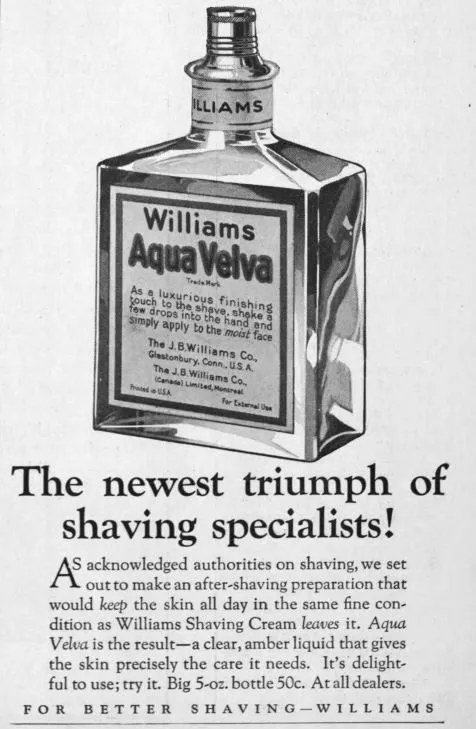
Photo: Dayal, Deen, Public domain, via Wikimedia Commons
It's 7:35 on a wet Tuesday in Leeds. The sky is the colour of a used teabag, the bus windows are steamed up, and you've just finished a shave that left your jaw smooth and slightly tight. You've patted on balm. Sunscreen feels like a joke you'd play on someone heading to Malaga. Except the UV that drives pigmentation, breaks down collagen and worsens post-shave redness doesn't clock off when the clocks go back.
This isn't a lecture about sunburn. It's a small adjustment to the order of your morning. A bottle by the sink. Two extra minutes. The sort of thing that makes more sense the longer you think about it.
The UV forecast isn't the whole story
The Met Office UV index for a British winter day often sits at 1 or 2. Most of us translate that to zero and move on. But the index is weighted heavily towards UVB, the wave that burns. UVA, the deeper-reaching wave tied to ageing and pigmentation, is far less seasonal. It passes through cloud, through glass, and through the kind of flat grey light that makes a November commute feel like a shift underground.
There's also the angle of the sun. In winter the sun stays low, which means it can shine directly into your face on the walk to the station rather than landing on the top of your head. Add wet pavements, white van bonnets and office windows reflecting light back up at you, and the exposure adds up in a way that never shows on a weather app. If you've ever arrived at work with one side of your face feeling warmer than the other, you've met winter UVA.
What a fresh shave does to your defences
Shaving is a controlled scrape. Even a good shave removes dead skin cells, some surface lipids and a bit of the skin's natural cushion. The stratum corneum, the outer layer that does most of the blocking, is temporarily thinner and more permeable. Micro-nicks you can't see still exist. That's why balm stings on some mornings and not others.
So you've got a slightly compromised barrier, a face that's just been exfoliated, and a low winter sun doing its quiet work. Balm is the right first move, because it soothes and replaces some of what you've taken away. But balm is not a filter. It doesn't absorb or scatter UV. If you use a night-time acid, retinol or a weekly exfoliating toner, your skin is even more likely to notice the difference between protected and not.
Order of operations: balm first, then SPF
The practical question is usually about pilling, shine and that dreaded sliding feeling. The answer is simpler than most routines make it look.
Shave, rinse cool, pat dry. Apply a thin layer of balm and give it a minute to settle while you brush your teeth. Then apply your SPF in a thin, even layer over the top. Don't rub it in for dear life. Press and smooth it across the face, neck, ears and hairline. If your balm is rich and occlusive, choose a lighter SPF fluid rather than a cream. If your balm is already light, an SPF moisturiser can do both jobs in one step.
Don't mix them in your palm. Layering works better than cocktail-making here. And don't skip the neck. A sharp jawline with a weather-beaten neck is a confusing message.
Picking an SPF that behaves over balm
You want broad-spectrum protection, a UVA circle on the bottle and at least SPF 30 for a British winter. The texture matters more than the marketing. Look for a fluid, gel-cream or lotion that lists glycerin or dimethicone near the top, because those help it glide over balm without balling up. Modern filters have made non-greasy formulas much easier to find on the high street, but old-fashioned thick sport creams still exist and still shine.
A few reliable shapes to look for: a face-specific fluid around the £8–£18 mark, an SPF 50 face mist for lunchtime top-ups, or a moisturiser with SPF 30 if you prefer fewer steps. Garnier, Nivea, Altruist, Superdrug's own range and La Roche-Posay all make versions that sit well under a light balm. Fragrance is a personal call, but if your skin is reactive after shaving, keep it low or absent.
The sink-side nudge
Habits stick when they're visible. Keep the SPF next to your toothbrush, not in a drawer with the travel adapters. Two fingers' worth for the face and neck is a decent guide, or two pumps if it's a fluid. Don't forget the eyelids, gently, and the tops of your ears. If you're going to be outside at lunchtime, a stick or mist is easier to reapply than a cream over a city beard or a fresh shave.
A winter routine that actually happens
Wash. Shave if you're shaving. Cool rinse. Balm. Brush teeth. SPF. Get dressed. That's it. On weekends, the same order applies whether you're shaving or not, because central heating and a long walk to the match both leave skin asking for the same thing.
The British winter isn't a sun holiday, but it isn't a bunker either. UV is a year-round colleague, even when the sky looks like a wet flannel. A small bottle by the sink is cheaper than the pigmentation you'll be trying to fade in June.