The Charity Beard, Week by Week: Keeping Movember Growth Comfortable and Presentable
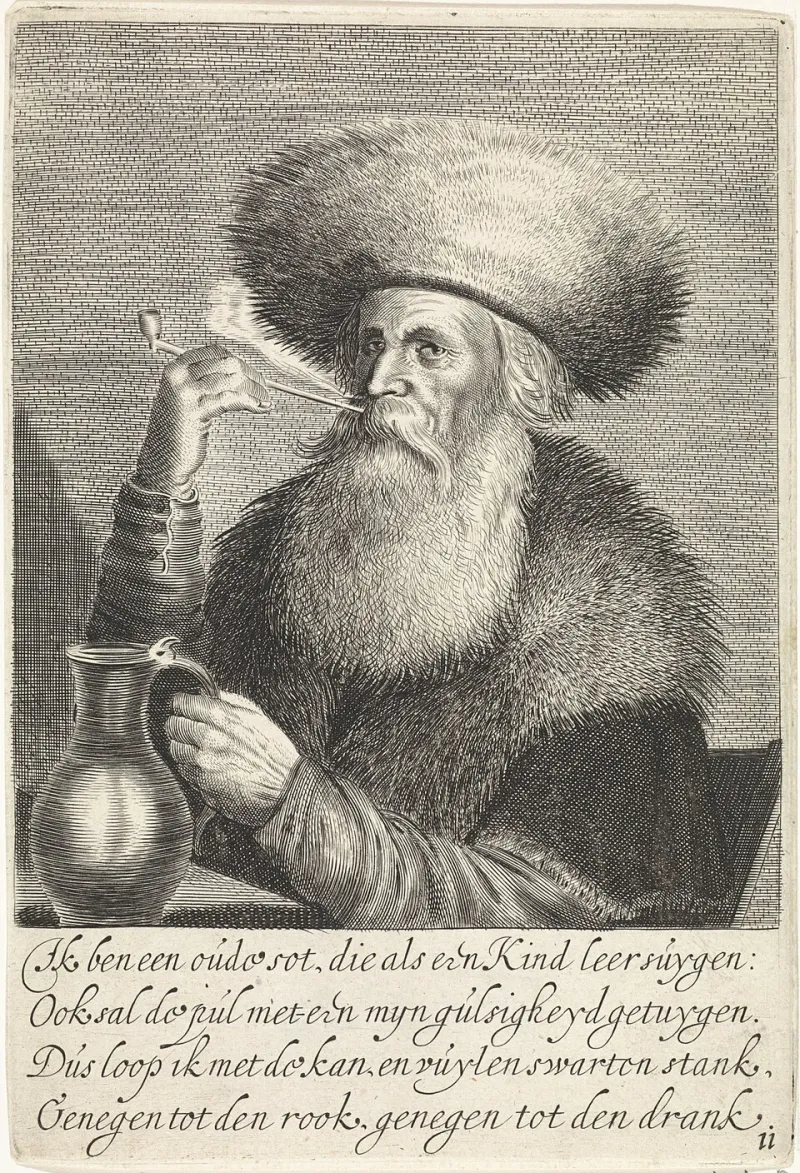
Photo: Rijksmuseum, CC0, via Wikimedia Commons
Movember 2026 is already a week old, which means a lot of UK men are currently negotiating with an itchy jawline, a patchy cheek and a diary full of video calls. Growing a beard for charity is a decent thing to do. It does not have to be a test of endurance, and it certainly does not require you to look like you have been stranded on a moor.
Lower the stakes before you lower the razor
A charity beard is not an audition for a grooming advert. Most beards go through an awkward phase around week two or three: the hair is long enough to feel scruffy but not long enough to lie flat. Patchiness is common, especially on the cheeks and jaw, and it often fills in gradually. Give it time before you decide it is a disaster.
The useful goal is not a perfect beard. It is a beard that feels comfortable, looks deliberate enough for work and does not make you want to scratch your face through a meeting. That means maintenance, not mastery.
The itch is usually a maintenance problem
The first port of call is not a new miracle oil. It is basic cleanliness. Beard hair traps dead skin, sweat and whatever was in the air on the commute. If you leave that sitting against the skin, it will itch.
Wash the beard gently a few times a week with a mild face cleanser rather than a harsh body soap. Shampoo is fine occasionally, but it can strip the hair and skin if you use it daily. Rinse thoroughly, because residue is a reliable source of irritation.
Brush or comb the beard once it is dry. A soft boar-bristle brush or a wide-tooth comb helps train the hair and lifts debris. Do not attack knots. Start at the ends and work back.
Oil is for the hair and the skin underneath, not for making you look like a chip pan. Two or three drops warmed between the palms is usually plenty for a short-to-medium beard. Rub it into the skin first, then work it through the hair. If your skin feels tight or flaky, a balm may suit you better than an oil because it offers a bit more conditioning and hold.
A weekly trim routine that protects the charity bit
You do not need a barber every week. You do need ten minutes and decent light. Pick a quiet evening, not five minutes before you leave the house.
Start with a clean, dry beard. Comb it into the shape you actually wear it. Then deal with the edges, not the bulk. The aim is to remove the stray hairs that make a beard look neglected, while leaving the length alone.
The neckline is the big one. A common mistake is shaving it too high. Place two fingers above your Adam's apple and use that as a rough guide for the bottom of the line. Follow the natural curve of your jaw rather than drawing a straight line across your throat. Clean up below that line, and leave the rest.
Check the cheek line. You do not have to carve a hard edge. Just tidy the obvious strays above where the beard naturally sits. Trim the moustache so it stays out of your mouth, especially if you are eating lunch in front of colleagues. Run a trimmer over the area under your ears and down the sides of your neck if it gets fuzzy.
Use a guard if you are nervous. A trimmer without a guard can remove more than you intended in one pass, and charity growth does not need a rescue mission. Trim less than you think you need. You can always take off more next week.
Finish with a light moisturiser or balm. If the skin is red or sore, stop trimming and leave it alone for a few days.
High-street kit that does not cost a fortune
You can spend a lot on beard care. You do not have to. The UK high street is full of sensible options.
Bulldog Original Beard Oil is widely available in Boots, Superdrug and supermarkets, usually around the £8 to £10 mark. It is light, easy to find and a reasonable starting point. King C. Gillette Beard Oil sits in a similar bracket and is often on offer. For a balm, Bulldog Beard Balm or a sensitive post-shave balm from Nivea Men will do the job without much fuss. Superdrug and Boots own-brand ranges are worth a look if you want to keep costs down.
A basic beard trimmer from Wilkinson Sword, Philips or Remington is fine. You do not need a professional-grade clipper for a one-month charity grow. A small comb and a soft brush are more useful than another bottle of scented oil.
Patch test anything new on your inner arm if your skin is sensitive. And ignore anyone who tells you a beard oil should tingle. It should not.
When to tidy up, not shave
There is a difference between a beard that is growing and a beard that has been abandoned. Tidy up if the neckline is creeping down your throat, the moustache is collecting soup, or you have a client meeting and the cheek line looks like a weather front.
Do not shave just because the beard is patchy or because someone at work has made a joke. Patchiness is not a moral failing. A tidy-up will usually make more difference than a full shave, and it keeps the charity effort intact.
Shave if you want to. It is your face. But if the skin underneath is inflamed, flaky or itchy to the point of distraction, do not treat a razor as the solution. Speak to a pharmacist if it persists. Most beard itch is manageable with gentler washing, a bit of moisturiser and fewer harsh products.
By the final week of Movember 2026, take a photo, tidy the edges and decide whether you are keeping the beard. A charity grow does not have to become a lifelong commitment. It just has to get you to the end without a rash and a regret.