The Real Price of a Close Shave: Doing the Razor Maths Nobody Advertises
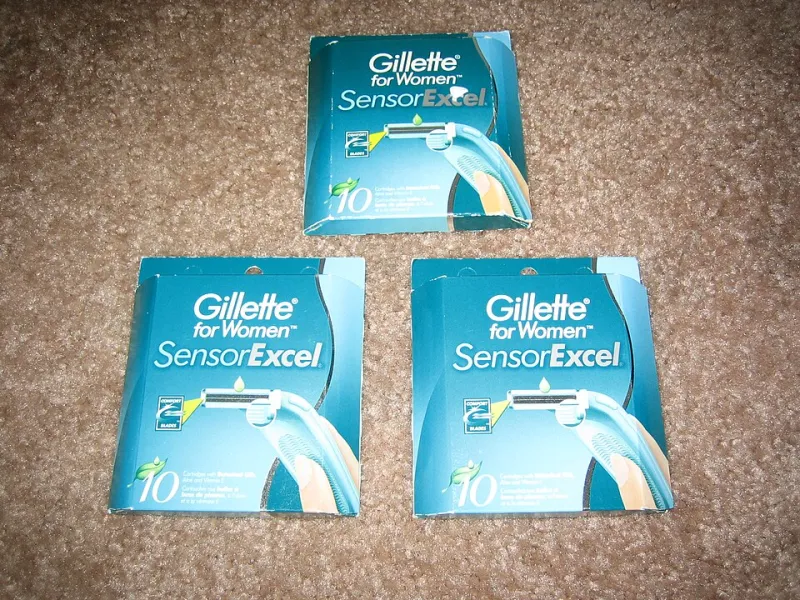
Photo: Shagun, CC BY 2.0, via Wikimedia Commons
Walk into any UK supermarket or Boots and the razor aisle is a masterclass in misdirection. The handle is cheap, sometimes free. The blades are where the money is. The electric shaver has a big upfront price and a small print about replacement heads. The safety razor looks like an antique and costs more than a pint. None of those numbers tell you what a shave actually costs.
That's the gap this article is trying to fill. Not 'which razor is best' in some absolute sense, but which one makes financial sense for the way you actually shave. Cost per shave is a better measure than upfront price, but it still isn't the whole story. Irritation, time and bathroom waste all count too.
Why the upfront price lies
A pack of ten disposables for £5 feels like a bargain. A safety razor for £35 feels like a commitment. But if the disposables last two shaves each and the safety razor blades cost 10p each and last a week, the maths flips quickly. The same is true of cartridges: the handle is often subsidised because the refills are the business model. That's not a conspiracy; it's just how the pricing works. But it means the sticker on the shelf is a poor guide to what you'll spend over a year.
The four options
Cartridges. The default for most UK men. Convenient, widely available, forgiving of bad technique. The trade-off is cost per shave and plastic waste. A five-blade cartridge with a lubricating strip is a lot of engineering to throw away.
Disposables. Cheap upfront, light, useful for travel or the gym. They're also the least pleasant shave for many people: fixed heads, basic blades, more plastic per shave. Fine as a backup, less fine as a daily habit.
Safety razors. One blade, a metal handle and a double-edged blade. Higher upfront cost, very low cost per shave, and a learning curve that rewards a light touch. Less plastic, but you need to dispose of blades safely.
Electric shavers. High upfront, low consumable cost, no lather required. Not as close as a blade for most people, but often kinder to sensitive skin and easier to use in a hurry. Replacement heads and batteries are the hidden costs.
The UK maths
Here's a rough ledger using typical UK prices in 2026. Treat these as ranges, not gospel. Prices move, and how long a blade lasts depends on your beard, your prep and how honest you are with yourself about a dull edge.
| Type | Typical upfront | Consumable cost | Shaves per unit | Approx cost per shave | Main trade-off |
|---|---|---|---|---|---|
| Cartridge (5-blade) | £8-£15 handle | £25-£30 for 8 carts | 5-7 per cart | £0.45-£0.75 | Convenience vs plastic waste |
| Disposable | £4-£6 for 10 | Included | 2-3 per razor | £0.15-£0.30 | Cheap upfront, more waste |
| Safety razor (DE) | £25-£45 | £8-£15 for 100 blades | 3-7 per blade | £0.01-£0.05 | Learning curve, best value |
| Electric | £60-£150 | £20-£35 per head, 12-18 months | Daily use | £0.10-£0.25 | Less close, lower irritation for some |
The safety razor wins on cost per shave by a mile, but only if you actually use it. A £30 razor that sits in a drawer because you hate the learning curve is worse value than a cartridge you use every day. The electric shaver looks expensive until you realise you're not buying foam, balm or blades every month. The disposable looks cheap until you count how many you get through.
The irritation tax
Cost per shave isn't just blades. If a razor leaves your neck red, you'll spend money on balm, moisturiser, ingrown hair treatments and maybe a dermatologist appointment. That's the irritation tax. It's hard to put in a table, but it's real.
Multi-blade cartridges can cause ingrown hairs for some men because they lift and cut the hair below the skin surface. Safety razors cut at skin level, which can reduce ingrowns once your technique is sorted, but a careless angle will give you nicks. Electric shavers are less likely to cut you, but they can still irritate if you press too hard or use a blunt head. The cheapest razor is the one that doesn't make your face angry.
Waste in the bathroom
A cartridge is mostly plastic. A disposable is almost entirely plastic. A safety razor blade is steel and can be collected in a blade bank or an old tin and recycled where facilities allow. An electric shaver is e-waste with a battery and a motor. None of these are zero-impact. But if bathroom waste matters to you, the safety razor is the clear winner on volume, and the disposable is the clear loser.
What fits your routine
Ask yourself four questions. How often do you shave? How much time do you have? How sensitive is your skin? How much plastic are you willing to send to landfill?
If you shave daily and want speed, a cartridge or an electric shaver is the pragmatic choice. If you shave two or three times a week and want a close, comfortable finish, a safety razor is worth the learning curve. If you travel a lot, a cartridge or disposable is easier to pack. If your skin reacts to everything, an electric shaver or a single-blade safety razor with thorough prep is worth trying before you spend more on multi-blade cartridges.
The bottom line
The best razor isn't the cheapest per shave or the most expensive upfront. It's the one you'll actually use, with a blade that's sharp enough, a routine that doesn't wreck your skin and a cost you're happy to repeat. Do the maths for your own routine: how many shaves do you get per cartridge, blade or head? What do you spend on post-shave products to fix the damage? How often do you replace things? That ledger is more useful than any advert.
At Release the Lather, we'd rather you buy once, learn the technique and spend less over time than keep chasing a bargain that costs you in irritation. The blade ledger is simple: convenience has a price, and so does cheap. Your job is to decide which one you're actually paying.