Your Neck Isn’t a Canvas: Drawing a Beard Line That Works With Your Face
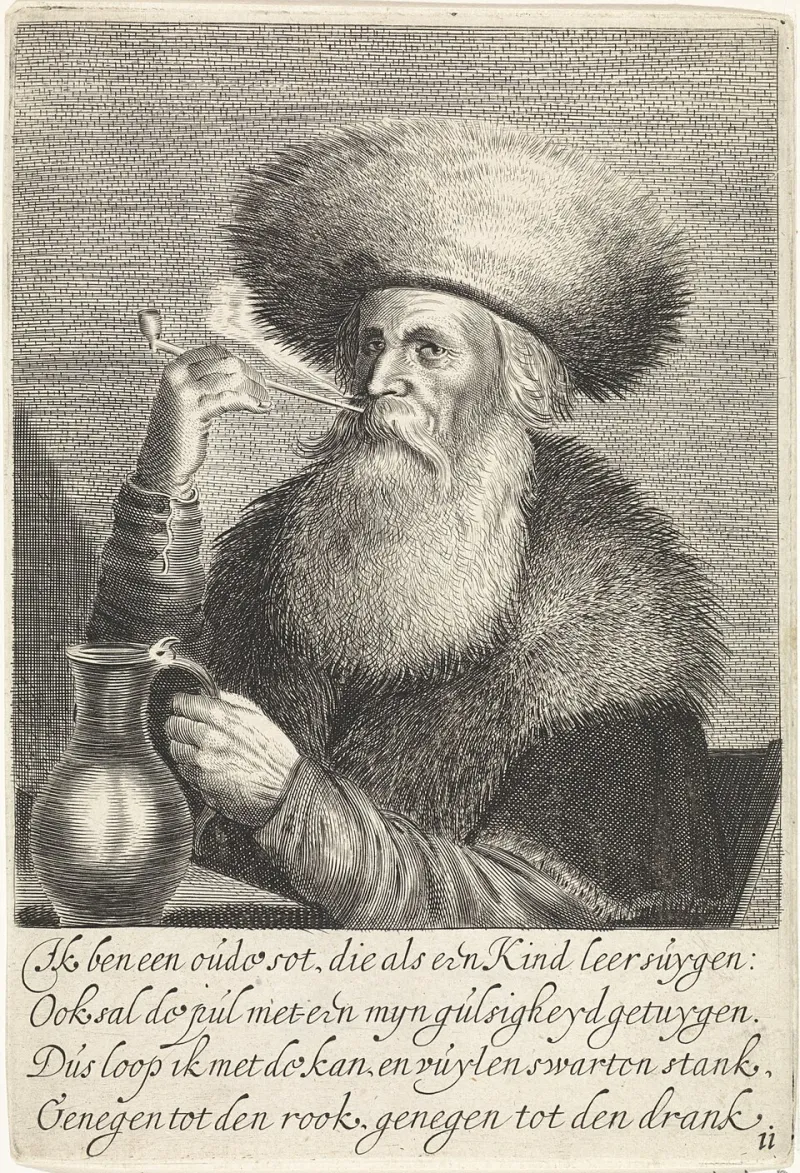
Photo: Rijksmuseum, CC0, via Wikimedia Commons
The neckline is where a lot of beards go wrong. Not because the beard is bad, but because the line has been drawn as if it were a ruler exercise. A straight horizontal stripe under the jaw can look severe, make the face look longer and leave you shaving territory that was never meant to be shaved.
Your neck is not a canvas for a perfect geometric shape. It is a moving part of your face with an Adam’s apple, a jaw hinge and a growth pattern that does not care about Instagram. The aim is a line that follows your natural beard boundary, looks deliberate and stays easy to maintain between barber visits.
First, stop chasing a straight line
A natural neckline is usually a soft curve, not a hard ledge. It should sit somewhere between the Adam’s apple and the jawbone, rising slightly towards the ears. If you shave a dead-straight line across the middle of your throat, you are probably taking off more than you need to.
The other mistake is going too high. A neckline that sits right under the jawbone can look like a chinstrap waiting to happen. It also leaves you with a tiny patch of stubble to manage every day. Give the beard some room underneath.
The three landmarks: Adam’s apple, jaw hinge and growth pattern
Start with the Adam’s apple. Tilt your head back slightly and find the most prominent point. For most men, the neckline should sit roughly one to two fingers above that point, but your growth pattern overrules the rule. If your beard grows high on the neck, you may need to go a little higher to create a clean edge. If it grows low, do not force it.
Next, find the jaw hinge. Put your fingers just in front of your earlobes and open and close your mouth. You will feel the joint move. That hinge is the top of the line at the side of your face. The neckline should curve from the area above the Adam’s apple up towards that hinge, not shoot straight across.
Finally, look at the growth pattern. Run your fingers along your neck and feel where the denser beard hair gives way to thinner, softer hair. That transition is your natural boundary. The best neckline is usually found there, not invented against it.
Map it before you shave
Do this on a day when you have a few days of growth. A fresh shave gives you nothing to map. Stand in front of a mirror with good light and use a comb to brush the beard down.
Use a finger or the edge of a comb to mark the line you think you want. Then check it from the side as well as the front. This is important: a line can look fine head-on and completely wrong in profile. A second mirror helps, or use your phone’s front camera in a mirror to see the side view without twisting your neck.
If you are unsure, mark the line lower than you think. You can always take a little more off. You cannot put it back.
Tool choice for a small bathroom
You do not need a barber’s kit. A trimmer with a precision head is the safest way to start because it gives you control without shaving too close. A safety razor or cartridge razor can then clean up the edge if you prefer a sharper finish.
In a small UK bathroom, space is usually the enemy. Keep it simple: a hand mirror, a main mirror, a comb, a trimmer or razor, and a towel. If your mirror is high and your sink is close, stand slightly back rather than hunching over the basin. Good posture makes the line easier to see and reduces the chance of shaving at a weird angle.
Light matters more than fancy tools. Overhead bathroom lighting can cast shadows under the jaw, so add a small side light if you can. A cheap daylight lamp or even your phone torch bounced off a wall is better than guessing in gloom.
The shave: angle, pressure and short passes
Start at the centre of the neck and work outwards. Use short, light passes. Do not press. The neck has soft skin and awkward contours; pressure is how you get irritation and ingrown hairs.
Keep the skin taut with your free hand, but do not pull it so hard that you distort the line. If you are using a razor, shave with the grain first, then decide whether you need a second pass. Many men do not.
Check the line every few strokes by looking straight on and from the side. It is easier to stop early than to fix an overenthusiastic pass.
When you go too high
The classic mistake is taking the neckline up too far, usually on one side. Do not try to even it up by shaving the other side higher. That is how a small error becomes a full reset.
Stop. Put the razor down. Clean up, apply a gentle moisturiser and leave it. For the next few days, do not shave the neckline at all. Let the stubble come back and use a trimmer on a longer setting to soften the edge rather than chasing a sharp line.
If you need to look neat for work, a light trim is better than a close shave. You can also use a little beard balm to brush the hair forward and blur the line while it grows back. It will not be perfect, but it will be less obvious than a hard, high ledge.
Maintenance that actually works
Check your neckline every week or two, not every morning. Most men do not need daily line maintenance. A quick trim once a week is enough to keep the shape, and it gives you time to notice changes in your growth pattern.
Shave or trim after a warm shower, use a clean blade and finish with a simple moisturiser or post-shave balm. Keep the line low enough that you are not fighting your own neck every day. The best beard neckline is not the sharpest one; it is the one you can maintain without drama.